How Credit Scores Work: The Factors That Matter Most

What a credit score is, the main factors that affect it, how payment history and credit use matter, and everyday habits that support a healthy score.

What a credit score is, the main factors that affect it, how payment history and credit use matter, and everyday habits that support a healthy score.
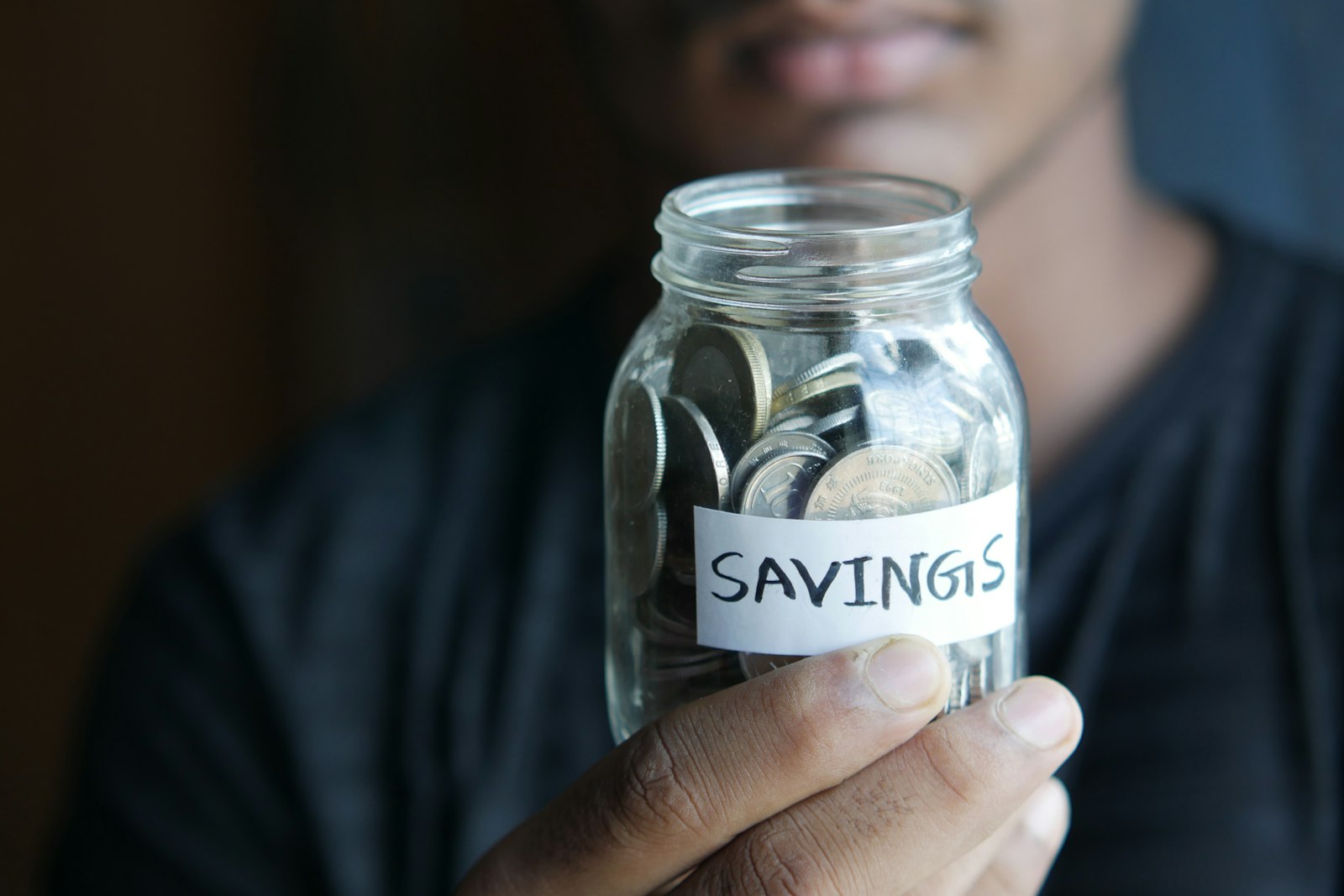
What an emergency fund is for, common guidelines for how much to save, where to keep it and how to build one step by step, even on a tight budget.

Automating savings takes willpower out of the equation. How to set up automatic transfers, choose amounts and accounts, and increase savings over time.
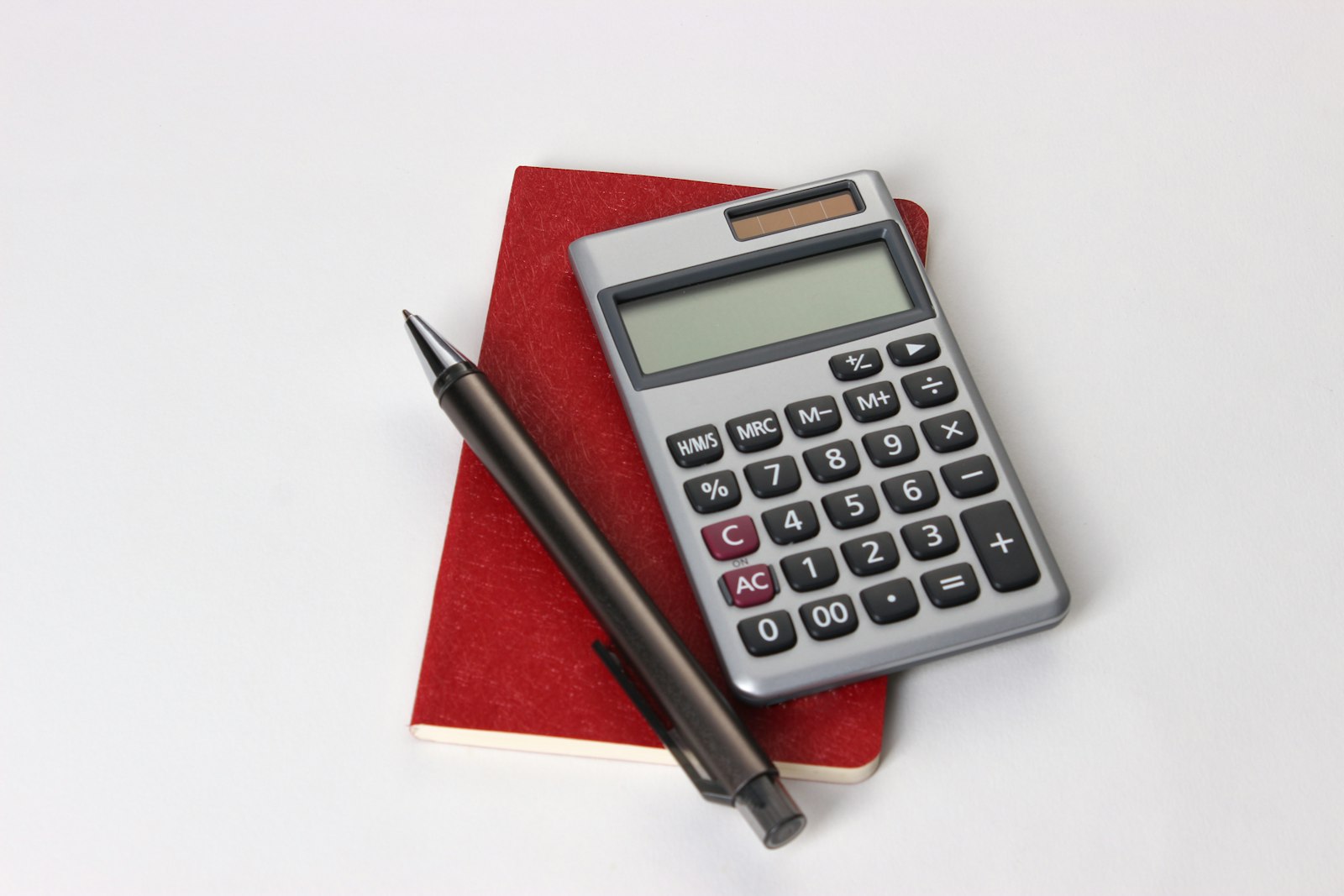
The 50/30/20 rule splits take-home pay into needs, wants and savings or debt. How to apply it, what counts in each bucket and when to change the split.

Compare zero-based budgeting and the envelope method: how each works, the effort involved and which suits different spending habits.
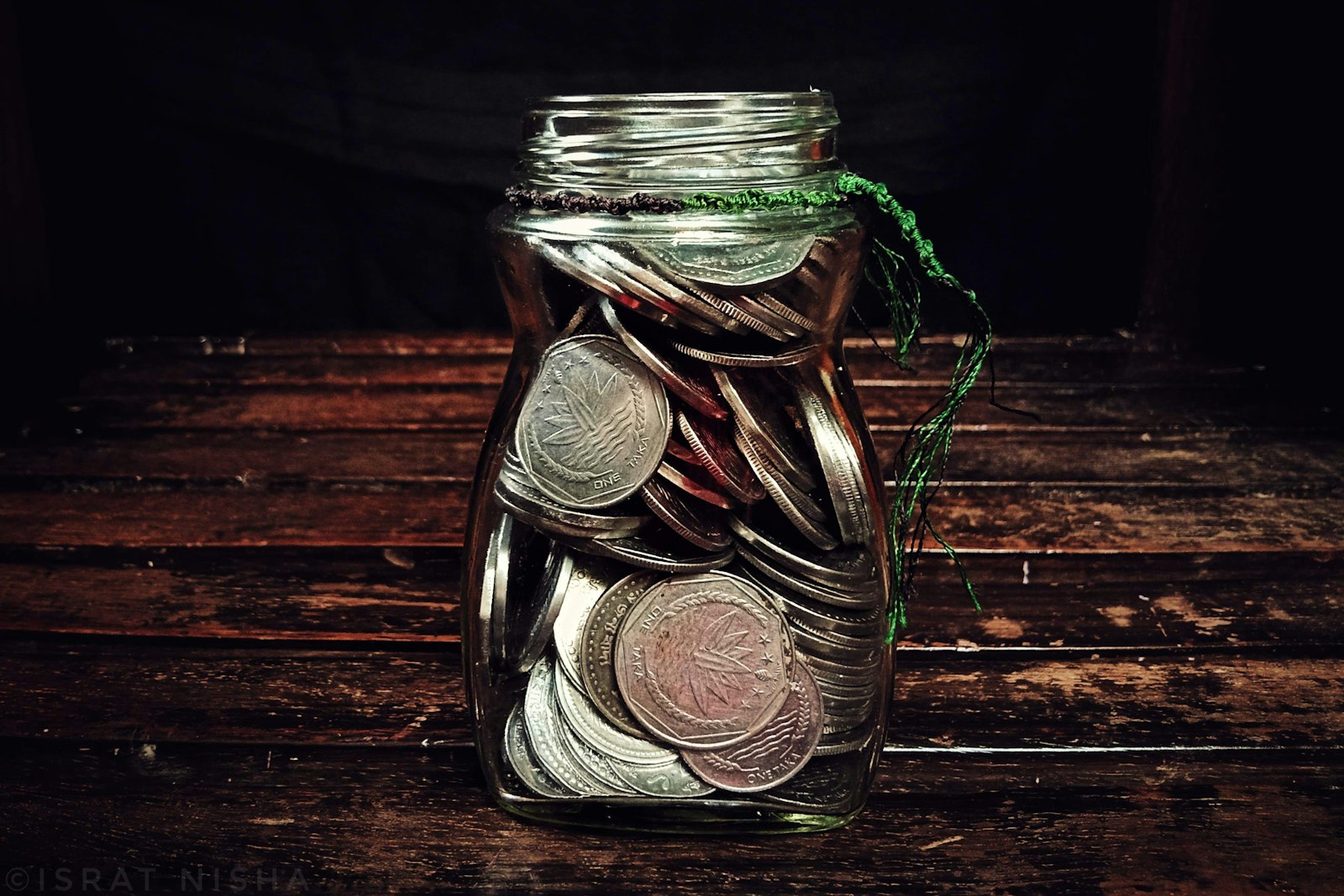
A sinking fund spreads the cost of a known future expense over months. How to set them up, which expenses to include and where to keep the money.

Compare personal loans and credit cards for large expenses: interest, repayment structure, fees and credit impact, and how to decide which fits.

Practical ways to cut recurring costs: review subscriptions, compare insurance and phone plans, reduce utility use and ask providers about cheaper options.

Compare high-yield and traditional savings accounts on interest, access, fees and deposit insurance, and learn what to check before you open one.

Compare the debt avalanche and debt snowball methods: how each orders your debts, the trade-off between interest saved and motivation, and how to start.